Entry 9
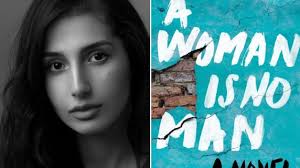
In comparison to other books we have read in class, A Woman is No Man has several distinguishable similarities and differences between the books of Diana Abu-Jaber, Suheir Hammad, Susan Muaddi Daraj, Kahlil Gibran and Randa Jarrar. The major difference between all of them is the time and location, especially ones that switch between protagonists every section or chapter like in Inheritance of Exile. The writing also varies. That depends on whether or not they are fictional, or based on true stories. The Prophet and Born Palestinian, Born Black have a poetry format with one having a more informal format than the other. Many of them have to do with overcoming obstacles usually for a sense in identity and wanting to live life on your own terms, in this case wanting to go to college instead of being married off. They also have recurring themes Etaf Rum uses reading particularly A Thousand and One Nights While Diana Abu-Jaber uses food as a recurring theme in her novels such as Crescent and two memoirs Life Without a Recipe and The Language of Baklava. Most notably all of them having to do standing up for what you want while also noting that it’s much easier said than done. For Deya, it was gradually built up to her finally standing up to Fareeda on the urging of Sarah who ran off. She advised her not to do the same as she would regret cutting herself off from her family even if was for a better life. In A Map of Home Nidali and her family were constantly moving from place to place for a better life yet there was always something getting in their way, both personally and physically. The moral for all of them was about how only you can determine who you are and what you want.
 Joe's Blog